Easy Homemade Gluten-Free Italian Bread Recipe
Introduction
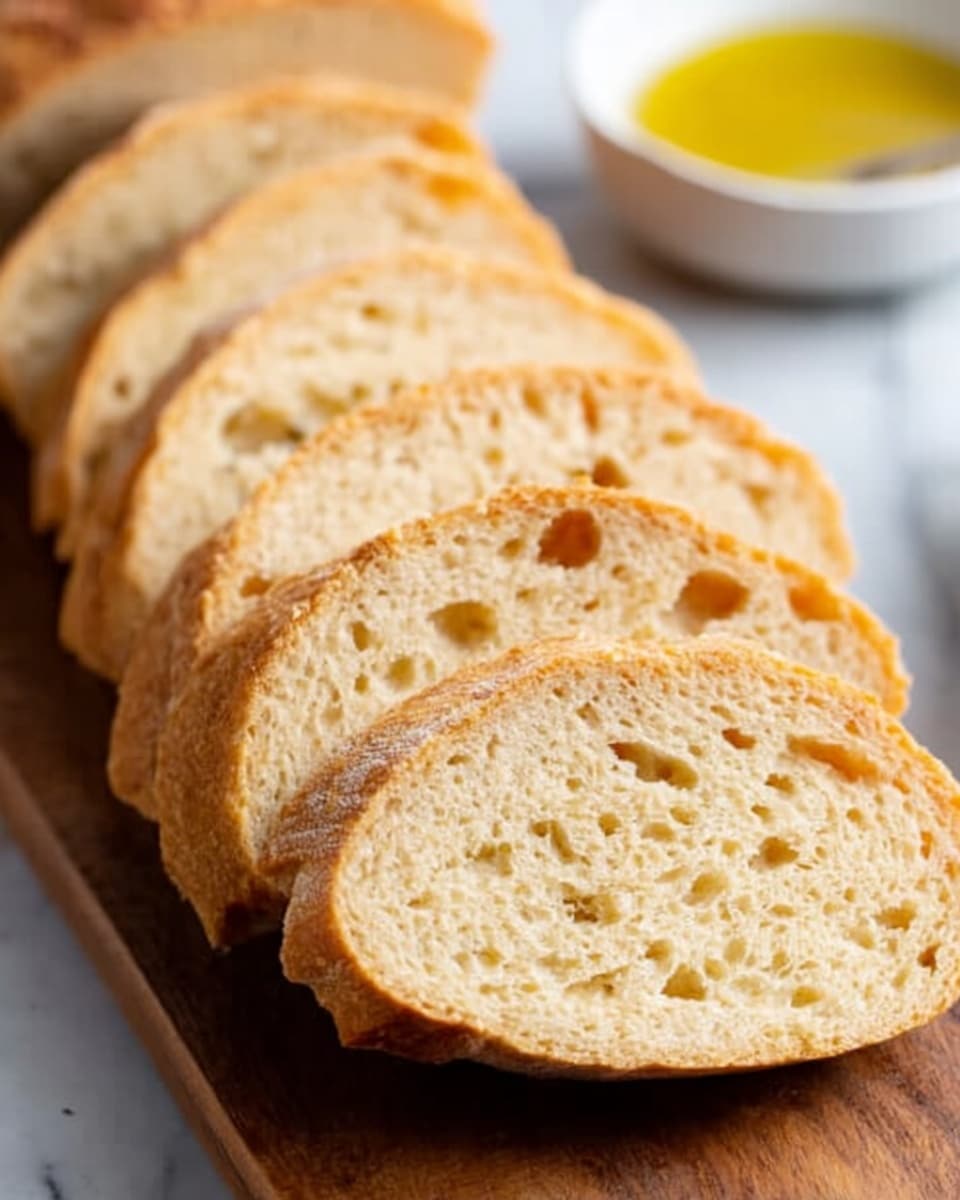
This easy homemade gluten-free Italian bread combines a tender crumb with a crisp crust, perfect for sandwiches or alongside your favorite meals. Made without gluten, it relies on psyllium husk powder for structure and moisture, delivering delicious results every time.
Ingredients
- 1 ½ cup (213 g) gluten free all purpose flour (Cup4Cup recommended)
- 3 tablespoons (31 g) potato starch
- 2 tablespoons (20 g) psyllium husk powder
- 1 (9 g) packet (2 ¼ tsp) instant rapid rise yeast
- 1 teaspoon (5 g) baking powder
- 1 ½ teaspoon (6 g) salt
- ½-¾ cup (180 g) warm water (112°F)
- 2 large eggs, room temperature
- 1 tablespoon (16 g) apple cider vinegar
- 1 tablespoon (21 g) honey
- 1 tablespoon (15 g) olive oil
- Egg white, for brushing before baking
Instructions
- Step 1: In a stand mixer fitted with a paddle attachment, combine the gluten free flour, potato starch, psyllium husk powder, yeast, baking powder, and salt on low speed until evenly mixed.
- Step 2: Add the warm water, eggs, apple cider vinegar, honey, and olive oil. Mix on low speed for about 1 minute until the dough begins to come together.
- Step 3: Increase the mixer speed to medium and beat the dough for 5 minutes, scraping down the paddle and bowl halfway through. The dough should be thick, stiff, but slightly sticky.
- Step 4: Place a large piece of parchment paper on a baking sheet and lightly grease it with olive oil. Transfer the dough onto the parchment paper.
- Step 5: With greased hands, knead and shape the dough into a smooth ball, then form it into a 12 x 2 ½-inch log. Use a sharp knife to make 5-6 diagonal slits about ¼-inch deep on top.
- Step 6: Cover the shaped dough with greased plastic wrap and let it rise in a warm, draft-free place for 40 minutes. Preheat the oven to 400°F during this time.
- Step 7: Remove the plastic wrap and whisk the egg white until frothy. Brush it evenly over the bread’s surface.
- Step 8: Place 5-6 ice cubes at the bottom of the oven to create steam. Put the baking sheet on the middle rack and bake for 15 minutes.
- Step 9: Loosely cover the bread with foil to prevent over-browning, reduce the oven temperature to 350°F, and bake for an additional 20 minutes or until the internal temperature reaches 210°F.
- Step 10: Remove from the oven and transfer the bread to a wire rack. Let it cool for 30-45 minutes before slicing.
Tips & Variations
- Start with ½ cup of warm water and add more gradually until the dough is thick and slightly sticky, adjusting as needed depending on your flour blend.
- Substitute tapioca starch or additional gluten-free flour for potato starch if unavailable, but potato starch yields the best texture.
- Use a kitchen thermometer to check the internal temperature for perfect doneness—210°F is ideal.
- For extra flavor, try adding dried herbs such as rosemary or oregano to the dough.
Storage
Gluten-free bread loses moisture quickly, so it is best enjoyed the day it’s made. To store, cool completely, then wrap tightly in plastic wrap and place in a ziplock bag or wrapped foil. Freeze for up to 2 months. When ready to serve, bring to room temperature and warm briefly in the oven wrapped in foil at 350ºF for 10-15 minutes or microwave wrapped in a paper towel for a few seconds for a soft texture.
How to Serve
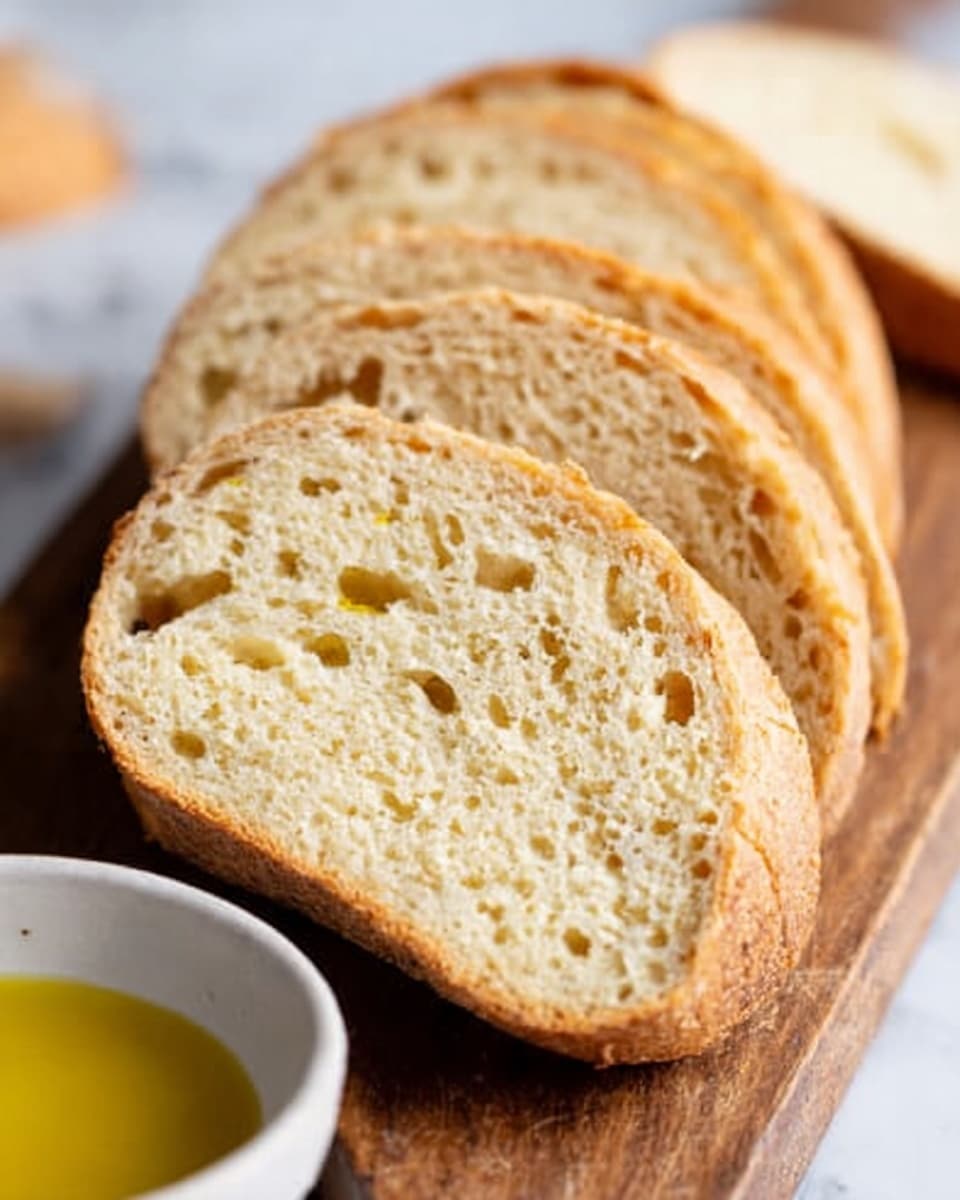
Serve this delicious recipe with your favorite sides.
FAQs
Can I use a different gluten-free flour blend?
Yes, this recipe works with most gluten-free all-purpose flour blends, though water quantities may vary slightly. Make sure to adjust water gradually for the right dough consistency.
What is psyllium husk powder and can I skip it?
Psyllium husk powder is a fiber that helps provide structure and moisture in gluten-free breads. Skipping it will affect texture and rise, so it is best included for optimal results.
PrintEasy Homemade Gluten-Free Italian Bread Recipe
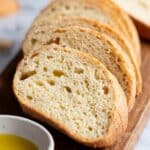
This Easy, Homemade Gluten-Free Italian Bread recipe delivers a soft, flavorful loaf perfect for anyone avoiding gluten. Using a blend of gluten-free flours, psyllium husk for structure, and a combination of eggs and honey for moisture and sweetness, this bread is simple to make with a stand mixer and bakes into a crusty, tender loaf with a delightful crumb.
- Prep Time: 10 minutes
- Cook Time: 35 minutes
- Total Time: 1 hour 25 minutes
- Yield: 1 loaf (12-inch log) 1x
- Category: Bread
- Method: Baking
- Cuisine: Italian
- Diet: Gluten Free
Ingredients
Dry Ingredients
- 1 ½ cup (213 g) gluten free all purpose flour (Cup4Cup recommended)
- 3 tablespoons (31 g) potato starch (can substitute with tapioca starch or additional gluten-free flour)
- 2 tablespoons (20 g) psyllium husk powder
- 1 (9 g) packet (2 ¼ tsp) instant rapid rise yeast
- 1 teaspoon (5 g) baking powder
- 1 ½ teaspoon (6 g) salt
Wet Ingredients
- ½–¾ cup (180 g) warm water (112°F), starting with ½ cup and adjusting as needed
- 2 large eggs, room temperature
- 1 tablespoon (16 g) apple cider vinegar
- 1 tablespoon (21 g) honey
- 1 tablespoon (15 g) olive oil
- Egg white, for brushing before baking
Equipment
- Baking sheet
- Stand mixer with paddle attachment
- Parchment paper
Instructions
- Combine Dry Ingredients: In a stand mixer fitted with the paddle attachment, mix together gluten free flour, potato starch, instant yeast, psyllium husk powder, baking powder, and salt on low speed until well combined.
- Add Wet Ingredients and Mix: Pour in warm water (start with ½ cup), eggs, apple cider vinegar, honey, and olive oil. Mix on low speed until dough begins to come together, about 1 minute. Then increase speed to medium and beat for 5 minutes to thicken the batter, scraping down sides halfway through. The dough should be thick, stiff, but slightly sticky.
- Prepare Baking Surface and Shape Loaf: Place large parchment paper on a baking sheet and lightly grease with olive oil. Transfer dough onto parchment paper. Grease your hands with olive oil or nonstick spray and knead dough gently, shaping into a smooth ball. Then shape into a smooth 12 x 2½-inch log. Use a sharp knife to slash 5-6 diagonal cuts about ¼ inch deep across the top.
- Proof the Dough: Cover shaped bread loosely with greased plastic wrap and let rise in a warm, draft-free area for 40 minutes. It won’t fully double but will rise more during baking thanks to baking powder. Meanwhile, preheat oven to 400°F.
- Prepare for Baking: Remove plastic wrap. Whisk egg white until frothy and brush evenly over the exterior of the loaf to promote crust color and shine.
- Create Steam and Bake: Place 5-6 ice cubes at the bottom of the oven to create steam for a crisp crust. Put the baking sheet on the oven’s middle rack and bake for 15 minutes at 400°F. Then tent the loaf loosely with foil to prevent over-browning and reduce heat to 350°F. Continue baking 20 more minutes until the internal temperature reaches 210°F.
- Cool Before Slicing: Transfer bread to a wire rack and allow to cool for 30-45 minutes before slicing to ensure the texture sets properly.
Notes
- Water Amount: Dough consistency can vary. Start with ½ cup water and add more gradually if needed. The dough should be stiff yet slightly sticky and able to move with the paddle attachment after mixing for several minutes.
- Potato Starch Substitution: Potato starch yields best results, but you may substitute tapioca starch or additional gluten-free flour if needed.
- Storing, Freezing, and Reheating: Gluten-free bread loses moisture fast. Best served the day made. For make-ahead, cool completely, wrap tightly in plastic wrap and foil or freezer bag, freeze up to 2 months. Thaw to room temperature before reheating. Reheat wrapped in foil in a 350°F oven for 10-15 minutes or microwaved wrapped in a paper towel for a few seconds for best texture.
Keywords: gluten free bread, italian bread, homemade bread, gluten free baking, paleo friendly bread